
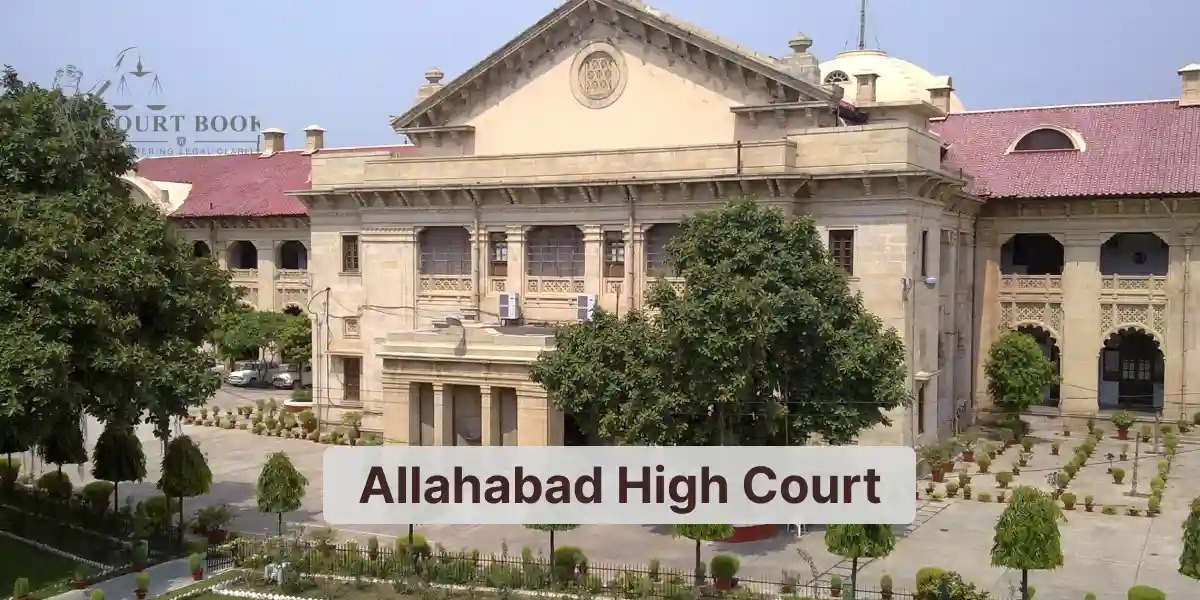
Allahabad High Court: Magistrate’s Judicial Orders Supreme Over DM, SP, and Political Heads
Court warns that ignoring judicial directions is ‘unpardonable’
Contempt proceedings initiated against police officials in Lalitpur case
By Our Legal Correspondent
New Delhi: March 02, 2026:
In a landmark ruling, the Allahabad High Court has reaffirmed the supremacy of judicial authority over administrative and political executives. The court observed that a Magistrate discharging judicial duty stands above the District Magistrate (DM), Superintendent of Police (SP), and even the political head of the state. Disregarding such judicial orders, the court declared, is not only contempt of court but also an unpardonable challenge to the rule of law.
Also Read: Delhi High Court Reduces Withholding Tax on US Firm Cvent Inc. from 15% to 2% Under Section 197
The ruling came in the context of contempt proceedings against police officials in Lalitpur who failed to comply with directions issued by a Chief Judicial Magistrate (CJM).
Case Background
- The matter arose when police officials in Lalitpur ignored repeated orders of the CJM regarding an accused’s detention.
- The CJM had directed compliance with judicial orders, but the officials failed to act.
- The High Court, led by Justice Arun Kumar Singh Deshwal, took strong exception to this disregard.
- The court-initiated contempt proceedings and sentenced the errant officers to custody in the courtroom.
Court’s Observations
- Judicial Supremacy: The court emphasized that judicial officers, while discharging their duties, are above administrative and political executives.
- Unpardonable Disregard: Ignoring judicial orders is not merely contempt but a direct challenge to the authority of law.
- Accountability: The state government was given liberty to recover compensation for illegal detention from the salaries of responsible officials.
[Additional Resource]
If you want practical guidance on drafting wills, codicils, and probate procedures, Will Writing Simplified is an invaluable resource. AVAILABLE ON: Amazon 🔹 Flipkart
Relevant Laws and Rules
- Contempt of Courts Act, 1971:
- Provides punishment for wilful disobedience of judicial orders.
- The Lalitpur case falls squarely under this provision.
- Code of Criminal Procedure (CrPC), 1973:
- Empowers Magistrates to issue binding orders in criminal proceedings.
- Police are legally bound to comply with such directions.
- Constitution of India – Article 50:
- Mandates separation of judiciary from executive, ensuring independence of judicial authority.
- Judicial Accountability:
- Courts have consistently held that judicial orders cannot be undermined by administrative or political pressures.
Broader Implications
Also Read: Bombay High Court: Women in De Facto Marriages Entitled to Maintenance Under DV Act
- For Police Officials: The ruling serves as a stern reminder that disobedience of judicial orders can lead to contempt proceedings and personal liability.
- For Judiciary: Reinforces the independence and supremacy of judicial authority in maintaining rule of law.
- For Citizens: Ensures that judicial directions protecting individual rights cannot be ignored by executive authorities.
- For Governance: Highlights the need for better coordination between judiciary and executive to avoid conflicts.
Conclusion
Also Read: ITAT Rules No Fresh Reassessment Beyond Four Years if Facts Fully Disclosed
The Allahabad High Court’s ruling is a powerful affirmation of judicial independence in India. By holding that a Magistrate’s judicial orders are supreme over administrative and political heads, the court has sent a clear message: the rule of law cannot be compromised by executive inaction or disregard. This judgment strengthens public faith in the judiciary and ensures accountability of officials who fail to respect judicial authority.
Keywords for Faster Searches
- Allahabad High Court magistrate ruling
- Judicial authority vs DM SP India
- Lalitpur CJM contempt case
- Magistrate judicial duty supremacy
- Contempt of Courts Act police officials
- Judicial independence India Allahabad HC
- Rule of law judiciary vs executive