
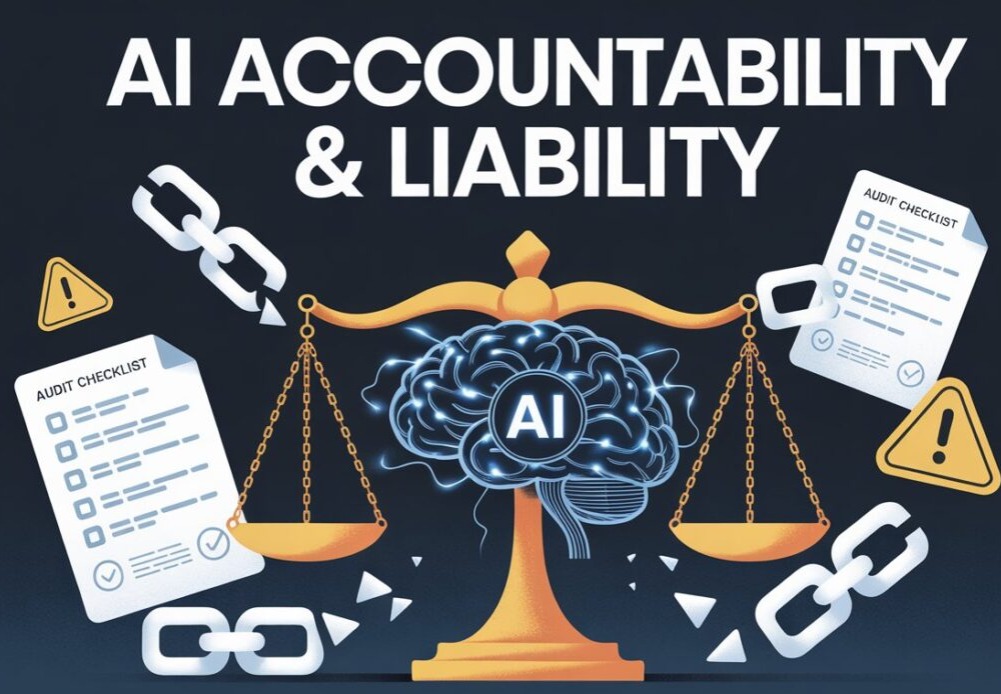
AI Liability in India: Who Pays When Machines Misbehave?
Cyber law and accountability are becoming critical skills for lawyers in the age of AI.
From misuse to cybercrime, liability frameworks are the next frontier of legal specialization.
By Vishwas Kumar
New Delhi: May 29, 2026:
Introduction: The Accountability Question
Artificial intelligence is transforming industries, but with innovation comes risk. What happens when an AI system makes a mistake, causes harm, or is misused for cybercrime? In India, where AI adoption is accelerating across finance, healthcare, and governance, lawyers must develop expertise in cyber law and liability frameworks. This specialization will define careers in litigation, compliance, and advisory services.
Readers seeking insights into property rights, tenancy disputes, and the interpretation of civil law principles should explore Haji Abdul Gani Khan. This noteworthy judgment discusses important legal issues concerning ownership claims, possession, evidentiary requirements, and the rights of parties involved in long-standing civil disputes. The Court carefully examined the applicable statutory provisions and judicial precedents to determine the extent of legal protection available to the litigants. The ruling continues to serve as a valuable reference for lawyers, researchers, and law students studying property litigation, civil procedure, and the judicial approach to resolving complex ownership conflicts in India.
Section 1: The Rise of AI Misuse & Cybercrime
- AI-Powered Fraud: Deepfakes used in financial scams.
- Cybersecurity Threats: AI systems vulnerable to hacking and data breaches.
- Automated Misconduct: Algorithms making discriminatory or harmful decisions.
- Indian Context: Growing cases of cyber fraud and misuse of AI-driven platforms.
Section 2: Current Legal Framework in India
- Information Technology Act, 2000: Governs cybercrime and digital liability.
- DPDP Act, 2023: Focuses on data privacy and accountability.
- Gaps: No clear provisions for AI-specific liability.
- Judicial Awareness: Courts beginning to encounter AI-related disputes.
Section 3: How AI Liability Works Globally
- EU AI Act: Classifies high-risk AI systems with strict liability standards.
- US Approach: Sector-specific liability rules, especially in healthcare and finance.
- Comparative Insight: Indian lawyers must understand global liability frameworks to advise multinational clients.
Section 4: Skills Lawyers Must Build
- Cyber Law Expertise: Handling cases of AI misuse and cybercrime.
- Liability Advisory: Guiding corporations on accountability in AI deployment.
- Litigation Strategy: Representing clients in disputes involving AI errors.
- Cross-Border Knowledge: Advising on liability across jurisdictions.
- Tech Literacy: Understanding how AI systems operate to assess responsibility.
Section 5: Case Studies
- India: Cyber fraud cases involving AI-generated deepfakes.
- Global: Lawsuits over AI-driven medical misdiagnosis in the US.
- Europe: Liability disputes under the EU AI Act.
- Lesson: Indian lawyers must anticipate similar cases and prepare strategies.
Section 6: Risks & Challenges
- Legal Ambiguity: Lack of clear AI liability laws in India.
- Client Confusion: Corporations unsure who is responsible for AI errors.
- Cross-Border Complexity: Different jurisdictions impose conflicting liability rules.
- Ethical Concerns: Should developers, users, or firms bear responsibility?
Section 7: Ethical & Regulatory Dimensions
- Professional Duty: Lawyers must ensure accountability in AI use.
- Transparency: Firms must disclose how AI systems make decisions.
- Accountability: Clear liability frameworks needed for AI-driven harm.
- Global Harmonization: Moves toward international standards for AI liability.
Section 8: The Future of Cyber Law & AI Liability in India
- Policy Evolution: India likely to amend IT Act and DPDP Act to address AI liability.
- Hybrid Models: AI handles tasks, humans remain accountable.
- Career Growth: Lawyers specializing in AI liability will lead in litigation and advisory.
- Global Integration: Indian lawyers advising multinational clients on liability disputes.
Conclusion: Turning Risk into Opportunity
AI liability is one of the most pressing challenges in the digital age. For Indian lawyers, this is not just a risk — it is an opportunity. By mastering cyber law, accountability frameworks, and global liability standards, they can position themselves as indispensable advisors in the AI era. The future of justice will depend on those who can ensure machines serve humanity responsibly.
FAQs
Q1: Why should Indian lawyers specialize in AI liability?
Because AI misuse and cybercrime are rising, and clear accountability is essential.
Q2: What skills are most important in this field?
Cyber law expertise, liability advisory, litigation strategy, and cross-border knowledge.
Q3: How does India regulate AI liability today?
Through IT Act and DPDP Act, but specific AI liability provisions are still evolving.
Q4: How do global jurisdictions handle AI liability?
EU imposes strict standards under the AI Act, while the US uses sector-specific rules.
Q5: What career opportunities exist in AI liability law?
Litigation, compliance advisory, corporate risk management, and cross-border consulting.