
AI in Healthcare: Diagnosis, Privacy, and Liability
When machines prescribe, who takes responsibility?
India and the world confront medical ethics in the AI era
By Vishwas Kumar
New Delhi: June 19, 2026:
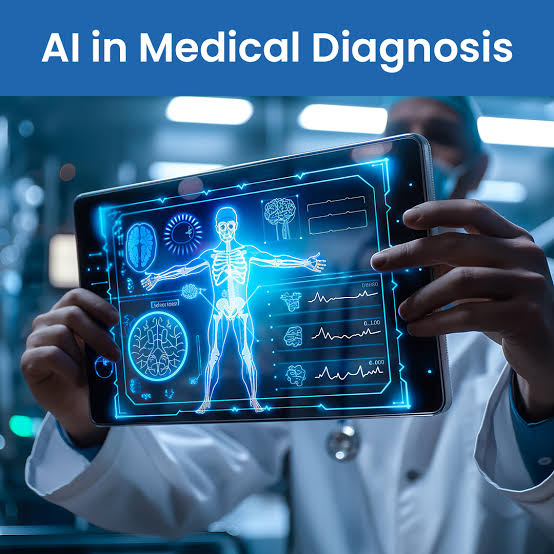
Artificial intelligence is revolutionizing healthcare, transforming how doctors diagnose, treat, and manage patients. From diagnostic imaging that detects cancer at earlier stages to predictive analytics that forecast patient risks, AI systems are reshaping medical practice. Hospitals and clinics worldwide are adopting these technologies to improve efficiency, reduce costs, and enhance patient outcomes. AI can even assist in surgical procedures, offering precision and support that augment human expertise.
Family and civil dispute judgments provide valuable insight into how courts address matrimonial conflicts, legal rights, and equitable relief between parties. To understand the legal arguments, judicial reasoning, and final decision, explore the complete judgment in Jyoti Sharma vs Vishnu Goyal & Another.
Yet these innovations raise critical questions. What happens when AI makes a mistake? If an algorithm misdiagnoses a patient or recommends an unsafe treatment, accountability becomes complex. Should responsibility rest with the doctor who relied on the system, the hospital that deployed it, or the software developer who designed it? This uncertainty challenges traditional frameworks of medical liability. At the same time, privacy concerns loom large. AI systems rely on vast amounts of sensitive patient data, and breaches or misuse could undermine trust in healthcare institutions.
India, with its vast population and diverse healthcare system, faces unique hurdles. Rural areas often lack access to advanced medical facilities, making AI-driven telemedicine platforms a potential lifeline. However, questions of accuracy, liability, and patient consent remain unresolved. Bias in training data could also lead to unequal treatment recommendations, disproportionately affecting marginalized communities.
As AI tools enter hospitals, telemedicine platforms, and public health programs, the law must evolve to protect patient rights while enabling innovation. Regulators will need to establish clear standards for testing, transparency, and accountability. Doctors must remain central to decision-making, ensuring that technology supports rather than replaces human judgment. Ultimately, the challenge is to harness AI’s efficiency and accessibility while safeguarding ethics, privacy, and trust in modern medicine.
The Promise of AI in Healthcare
Artificial intelligence is transforming healthcare by offering capabilities that go far beyond traditional methods. One of the most significant advantages is early diagnosis. AI systems can analyze medical images, lab results, and patient histories to detect diseases such as cancer, heart conditions, and neurological disorders at earlier stages than human doctors often can. This allows for timely interventions and better patient outcomes.
AI also enhances treatment recommendations. By processing vast amounts of patient data, algorithms can suggest personalized therapies tailored to individual needs. This precision medicine approach ensures that treatments are more effective and reduces the risk of adverse reactions.
In terms of efficiency, AI helps hospitals and clinics streamline workflows. Automated systems handle administrative tasks such as scheduling, billing, and record management, freeing healthcare professionals to focus on patient care. This reduces costs and improves overall service delivery.
Another major benefit is accessibility. AI-powered telemedicine platforms extend healthcare services to rural and underserved areas, where medical expertise is often scarce. Patients can consult doctors remotely, receive AI-assisted preliminary diagnoses, and access treatment recommendations without traveling long distances.
Beyond these immediate applications, AI is revolutionizing drug discovery and development. Machine learning models can analyze chemical compounds and biological data to identify promising drug candidates much faster than traditional research methods. AI accelerates clinical testing by predicting how drugs will interact with the human body, reducing trial times and costs. In production, AI optimizes manufacturing processes, ensuring quality and speeding up delivery of new medicines to patients.
Together, these innovations illustrate the immense promise of AI in healthcare. By enabling early diagnosis, personalized treatment, efficiency, accessibility, and faster drug discovery, AI has the potential to reshape medicine into a more proactive, inclusive, and effective system.
The Perils
Diagnostic Errors: Misdiagnoses can harm patients and raise liability questions.
Privacy Risks: Sensitive health data may be exposed or misused.
Bias in Care: AI trained on skewed datasets may provide unequal treatment recommendations.
Legal Uncertainty: Courts struggle to assign responsibility when AI systems fail.
Legal Foundations in India
Constitutional Protections: Article 21 guarantees the right to life and health.
Medical Council Regulations: Govern professional conduct, but not yet adapted to AI.
IT Act, 2000: Addresses data protection, relevant to patient privacy.
Consumer Protection Act, 2019: May apply to healthcare platforms misrepresenting AI capabilities.
Comparative Perspectives
Artificial intelligence in healthcare is being regulated and adopted differently across the world, reflecting each region’s priorities and legal traditions. In the United States, the Food and Drug Administration (FDA) plays a central role in approving AI-based medical devices and diagnostic tools. While this ensures safety and efficacy, debates continue over liability in cases of misdiagnosis. If a patient suffers harm due to an AI recommendation, courts must decide whether responsibility lies with the physician who relied on the system, the hospital that deployed it, or the developer who designed it.
In the European Union, the approach is more comprehensive and rights-focused. The EU AI Act classifies healthcare AI as “high-risk,” requiring strict audits, transparency, and explainability. This means that algorithms must be tested for bias, and patients should be able to understand how AI reached its conclusions. The EU’s emphasis on accountability reflects its broader commitment to protecting human rights and ensuring that technology enhances, rather than undermines, trust in healthcare.
China has integrated AI deeply into its national healthcare strategies. State oversight ensures that AI systems align with national priorities, such as expanding access to care and improving efficiency. AI is used extensively in diagnostics, telemedicine, and public health monitoring. While this integration has accelerated innovation, concerns remain about privacy and the extent of state control over sensitive health data.
In the United Kingdom, the National Health Service (NHS) has pioneered experiments with AI diagnostics, particularly in areas like eye disease detection and radiology. Regulators emphasize transparency and patient consent, ensuring individuals know when AI is involved in their care.
For India, the challenge is to adapt these global best practices while addressing its own healthcare diversity and resource constraints. With rural-urban disparities, affordability issues, and socio-economic inequalities, India must craft regulations that balance innovation with patient safety, privacy, and equitable access.
Case Studies
IBM Watson Health (US): Criticized for unsafe cancer treatment recommendations, highlighting risks of over-reliance on AI.
NHS AI Diagnostics (UK): Pilot projects improved early detection of eye diseases, but raised questions about patient consent.
Indian Telemedicine Platforms: AI chatbots provide rural healthcare advice, but concerns about accuracy and liability persist.
Extended FAQ Index (Healthcare AI)
What is AI in healthcare? AI refers to tools that assist in diagnosis, treatment recommendations, patient monitoring, and hospital management.
How does AI help doctors? It analyzes large datasets quickly, detecting diseases earlier and suggesting personalized treatments.
Can AI replace doctors? No, AI supports medical decisions but cannot replace human judgment, empathy, and accountability.
What is diagnostic AI? Algorithms that interpret medical images or patient data to identify conditions like cancer or heart disease.
Can AI reduce medical errors? Potentially, by spotting patterns humans might miss, though errors can still occur.
What happens if AI misdiagnoses? Liability questions arise—responsibility may fall on doctors, hospitals, or developers.
Who owns AI medical data? Patients own their health data, but hospitals and platforms must protect it under privacy laws.
What is patient privacy in AI? Safeguarding sensitive health information used by algorithms for diagnosis or treatment.
Can AI be biased in healthcare? Yes, if trained on skewed datasets, it may provide unequal recommendations.
What safeguards exist in India? The IT Act governs data protection, while medical regulations emphasize patient rights.
How does the US regulate healthcare AI? The FDA approves AI medical devices and monitors safety.
What is the EU’s approach? The EU AI Act classifies healthcare AI as “high-risk,” requiring audits and transparency.
How does China use AI in healthcare? Integrated into national strategies, with strong state oversight.
What about the UK? The NHS experiments with AI diagnostics, emphasizing patient consent and transparency.
Can AI improve rural healthcare in India? Yes, through telemedicine platforms that expand access to underserved areas.
What risks exist in telemedicine AI? Accuracy concerns and liability issues if advice is incorrect.
Can patients refuse AI diagnosis? Yes, informed consent requires patients to know when AI is used.
What is informed consent in healthcare AI? Patients must be told when AI assists in diagnosis or treatment.
Can AI improve efficiency in hospitals? Yes, by automating administrative tasks and streamlining workflows.
What ethical issues arise? Concerns include fairness, privacy, accountability, and trust.
Can AI reduce healthcare costs? Potentially, by improving efficiency and early diagnosis, though implementation costs are high.
What liability do doctors face? Doctors remain accountable even when relying on AI recommendations.
What liability do developers face? They may be sued if AI systems are defective or misrepresented.
Can AI improve patient outcomes? Yes, by enabling earlier detection and personalized treatment.
What is the risk of over-reliance on AI? Doctors may ignore human judgment, leading to unsafe outcomes.
Can AI decisions be challenged in court? Yes, courts may scrutinize reliability and fairness.
What reforms are needed in India? A Healthcare AI Regulation Act defining standards for bias, liability, and patient rights.
How do courts measure harm in AI healthcare cases? By assessing misdiagnosis, privacy breaches, and patient injury.
Can AI improve medical research? Yes, by analyzing large datasets and accelerating drug discovery.
What safeguards should hospitals adopt? Bias audits, privacy protections, and human oversight.
Can AI reduce doctor bias? Potentially, by standardizing diagnosis, though algorithmic bias remains a risk.
What is the risk of AI surveillance in healthcare? It may infringe on patient privacy and autonomy.
Can patients demand human review? Yes, regulators may require human oversight of AI decisions.
What role does ethics play in healthcare AI? Ethics ensures fairness, accountability, and respect for patient dignity.
Can AI reduce backlog in hospitals? Yes, by automating scheduling and administrative tasks.
Can AI improve emergency care? Yes, by quickly analyzing patient data and suggesting interventions.
What is the risk of biased datasets? They may exclude marginalized groups, leading to unequal care.
Can AI reduce rural-urban healthcare gaps? Yes, if telemedicine platforms are widely accessible.
Can patients sue for AI errors? Yes, under consumer protection or medical negligence laws.
What is the future of healthcare AI law? Comprehensive regulation balancing innovation with patient safety, privacy, and accountability.
Op-Ed Closing Vision
AI in healthcare is both a lifesaving innovation and a source of risk. It offers earlier diagnoses, personalized treatments, and expanded access to care. Yet it also raises profound ethical and legal questions. If an algorithm misdiagnoses a patient, who bears responsibility? If sensitive health data is misused, how can trust be restored?
The central challenge is accountability. Doctors may argue they relied on AI, while developers claim their systems were misapplied. Courts must navigate these complexities, balancing innovation with patient rights.
India must act decisively. A Healthcare AI Regulation Act could establish clear standards:
Mandatory testing and certification of AI diagnostic tools.
Strong privacy safeguards for patient data.
Liability frameworks assigning responsibility among doctors, hospitals, and developers.
Transparency requirements ensuring patients know when AI is used in their care.
Globally, India can learn from the EU’s risk-based approach and the US FDA’s regulatory framework. But it must also craft solutions tailored to its healthcare realities, where rural access, affordability, and diversity are pressing concerns.
Ethically, healthcare depends on trust. Patients must believe that diagnoses and treatments are fair, accurate, and safe. If AI undermines that trust, the legitimacy of the healthcare system suffers.
The vision must be one of responsible AI in healthcare. Technology should empower doctors, not replace them. It should enhance patient care, not compromise privacy. And it should uphold the constitutional promise of dignity, equality, and the right to health.
The future of medicine will be digital, but it must also remain human. India’s legal system now faces the challenge of ensuring that as algorithms enter hospitals and clinics, patient rights and safety remain paramount.