
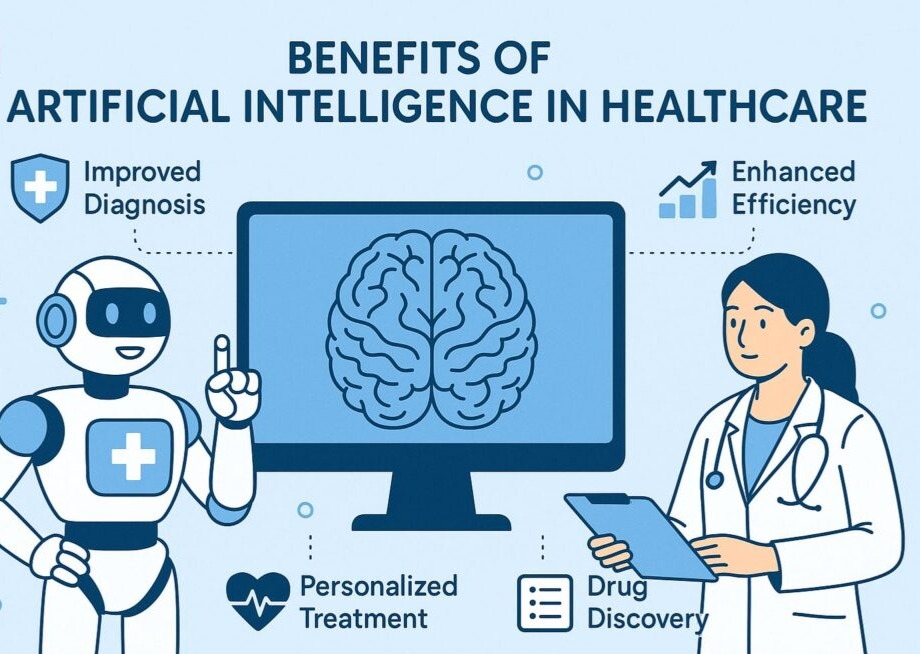
Healing with Algorithms: AI in Healthcare
Digital Medicine and Patient Rights
Balancing Innovation with Ethical Care
By Vishwas Kumar
New Delhi: June 13, 2026:
Healthcare is entering a transformative era where Artificial Intelligence (AI) is no longer a futuristic concept but a practical tool reshaping diagnosis, treatment, and patient care. From predictive analytics in public health to AI-enabled imaging in hospitals, algorithms are becoming integral to medical decision-making. By 2030, healthcare will be defined not only by technological sophistication but also by how well it balances innovation with constitutional rights, statutory safeguards, and ethical responsibilities.
At the constitutional level, Article 14 ensures fairness in AI-driven healthcare, preventing discriminatory treatment or exclusion of vulnerable groups. Article 21, expanded by the Puttaswamy judgment, enshrines privacy and dignity, making the protection of sensitive health data a fundamental right. Directive Principles under Article 38 further emphasize social justice, requiring equitable access to AI-enabled healthcare across urban and rural populations.
Statutory frameworks are evolving to meet these challenges. The Clinical Establishments Act, 2010 sets standards for hospitals and clinics, now extended to digital and AI-enabled services. The Drugs and Cosmetics Act, 1940 regulates medical devices, including AI-powered diagnostic tools. The Digital Personal Data Protection Act, 2023 safeguards patient data, while the IT Act, 2000 provides cybersecurity and validates electronic records. Judicial precedents such as Paschim Banga Khet Mazdoor Samity reinforce the right to healthcare, while Shreya Singhal underscores clarity in digital regulation.
Globally, India’s trajectory mirrors broader trends. The EU’s GDPR and AI Act impose strict consent and fairness rules, the US relies on HIPAA and FDA oversight, China enforces state-centric compliance, and the UK adopts pragmatic NHS frameworks. India’s evolving model sits at the intersection of these approaches, balancing innovation with rights.
By 2030, AI will make healthcare more efficient, predictive, and inclusive. Yet its legitimacy will rest on fairness, transparency, and respect for patient dignity — ensuring that algorithms serve not just medicine, but humanity.
Digital Medicine and Patient Rights
Digital medicine, powered by Artificial Intelligence (AI), is redefining the way healthcare is delivered and experienced. From AI-enabled diagnostic imaging to predictive analytics in public health, algorithms are increasingly guiding medical decisions. While these innovations promise efficiency, accuracy, and accessibility, they also raise profound questions about patient rights, privacy, and dignity.
At the constitutional level, Article 14 ensures fairness, requiring that AI systems in healthcare do not discriminate against patients based on socio-economic status, geography, or demographics. Article 21, expanded by the Puttaswamy judgment, enshrines privacy and dignity, making the protection of sensitive health data a fundamental right. Patients must have confidence that their medical records, when processed by AI, remain secure and confidential. Directive Principles under Article 38 further emphasize equitable access, ensuring that digital medicine benefits rural populations and marginalized communities, not just urban elites.
Statutory frameworks reinforce these protections. The Clinical Establishments Act, 2010 sets standards for hospitals and clinics, now extended to digital platforms. The Drugs and Cosmetics Act, 1940 regulates AI-enabled medical devices, ensuring safety and reliability. The Digital Personal Data Protection Act, 2023 mandates consent and accountability in handling patient data, while the IT Act, 2000 provides cybersecurity safeguards and validates electronic medical records. Together, these laws create a robust framework for patient rights in digital medicine.
Globally, models vary. The EU’s GDPR and AI Act impose strict consent and fairness rules, the US relies on HIPAA and FDA oversight, China enforces state-centric compliance, and the UK adopts pragmatic NHS frameworks. India’s evolving approach seeks to balance innovation with constitutional morality.
By 2030, digital medicine will be indispensable. Its legitimacy, however, will rest on transparency, accountability, and respect for patient rights — ensuring that technology enhances care without eroding trust or dignity.
Balancing Innovation with Ethical Care
Artificial Intelligence (AI) in healthcare offers extraordinary potential — from early disease detection to personalized treatment plans and predictive public health models. Yet, innovation cannot be pursued in isolation; it must be balanced with ethical care that respects patient rights, dignity, and trust. The challenge lies in ensuring that algorithms enhance medical practice without undermining the human values at the heart of healthcare.
Innovation often emphasizes speed, efficiency, and precision. AI-powered diagnostic tools can analyze medical images faster than human specialists, while predictive analytics can anticipate outbreaks or treatment outcomes. These advances promise reduced costs and improved accessibility. However, unchecked innovation risks creating opaque systems where patients cannot understand or challenge algorithmic decisions. Ethical care demands transparency — patients must know how AI influences their treatment and have the right to question outcomes.
Constitutionally, Article 14 ensures fairness, requiring that AI systems do not discriminate against patients based on socio-economic status or geography. Article 21 enshrines privacy and dignity, mandating secure handling of sensitive health data. Statutory safeguards such as the DPDP Act, 2023 and the Clinical Establishments Act, 2010 reinforce these protections, ensuring that innovation aligns with patient rights.
Globally, models vary. The EU’s GDPR and AI Act impose strict fairness and consent rules, the US relies on HIPAA and FDA oversight, China enforces state-centric compliance, and the UK adopts pragmatic NHS frameworks. India’s evolving approach must integrate these lessons while tailoring solutions to its diverse population.
By 2030, the success of AI in healthcare will depend not only on technological sophistication but also on its ability to uphold ethical care. Innovation must serve humanity, ensuring that efficiency and profitability never come at the cost of fairness, compassion, and patient dignity.
Legal and Constitutional Frameworks in India
Constitutional Provisions
Article 14 (Equality before Law): Ensures fairness in AI-driven healthcare decisions.
Article 21 (Right to Life and Privacy): Protects patient data and dignity.
Directive Principles (Article 38): Promote social justice and equitable access to healthcare.
Statutory Laws
Clinical Establishments Act, 2010: Governs standards in hospitals and clinics.
DPDP Act, 2023: Regulates personal health data processed by AI systems.
Drugs and Cosmetics Act, 1940: Oversees medical devices, now extended to AI-enabled tools.
IT Act, 2000: Provides cybersecurity and digital evidence frameworks.
Judicial Precedents
Puttaswamy Case (2017): Privacy rights extended to health data.
Paschim Banga Khet Mazdoor Samity (1996): Right to healthcare as part of Article 21.
Shreya Singhal (2015): Reinforced clarity in digital regulation.
Comparative Global Perspectives
Sociological, Economic, and Ethical Impacts
Sociological: AI expands access to healthcare but risks excluding rural populations without digital literacy.
Economic: AI reduces costs, improves diagnostics, and enhances efficiency.
Ethical: Accountability for AI-driven medical decisions and respect for patient dignity are critical.
Case Studies
Indian Example: AI-enabled diagnostic tools in government hospitals improved early detection of tuberculosis.
Global Example: US hospitals using AI for cancer detection faced lawsuits over algorithmic bias.
Human Story: A patient in Kerala received faster diagnosis through AI-powered imaging, highlighting positive impacts.
Extended FAQ Index with Answers
What constitutional rights apply to AI healthcare? Equality, privacy, and dignity are central when algorithms influence diagnosis, treatment, or access to care.
How does Article 14 ensure fairness in healthcare AI? It prevents discriminatory treatment, ensuring AI systems do not favor or exclude groups unfairly.
How does Article 21 protect patient data? It guarantees privacy and dignity, requiring secure handling of sensitive health records.
What role does Article 38 play in healthcare? It promotes equitable access, ensuring AI benefits reach all sections of society.
What is the Clinical Establishments Act’s role? It sets standards for hospitals and clinics, now extended to AI-enabled services.
How does the DPDP Act apply to healthcare? It regulates personal health data use, mandating consent and accountability.
How does the Drugs and Cosmetics Act regulate AI? It oversees AI-enabled medical devices, ensuring safety and compliance.
What judicial precedents support healthcare rights? Puttaswamy, Paschim Banga, and Shreya Singhal reinforce privacy and access to care.
How does GDPR affect healthcare AI? It imposes strict consent and fairness rules on health data processing.
What is the US approach to AI healthcare? HIPAA and FDA guidelines ensure compliance and patient protection.
How does China regulate AI in healthcare? State-centric, mandatory compliance with strict oversight.
What is the UK’s model for AI healthcare? Pragmatic, case-by-case oversight under NHS frameworks.
How does AI affect patient trust? Transparency builds confidence, while opaque systems erode trust.
What are the economic benefits of AI healthcare? Efficiency, reduced costs, and improved patient outcomes.
How does AI reduce medical fraud? By detecting anomalies in billing, prescriptions, and claims.
What ethical dilemmas arise in AI healthcare? Balancing efficiency with fairness, dignity, and accountability.
How does AI affect liability in medical decisions? Doctors remain accountable for outcomes, even with AI assistance.
Who owns AI-generated health data? Typically, the patient, though institutions may manage aggregated datasets.
How does AI affect rural healthcare? It expands access but risks excluding digitally illiterate populations.
What role does ICAI play in healthcare AI? Training professionals in ethics, compliance, and digital literacy.
How do small clinics adapt to AI? By adopting affordable diagnostic and compliance tools.
What global models can India learn from? EU’s strict compliance, US’s disclosure, and China’s oversight.
How does AI affect patient confidentiality? Encryption and compliance with privacy laws are essential safeguards.
What is “digital dignity” in healthcare? Fair and humane treatment in AI-driven medical decisions.
How does AI impact transparency in healthcare? It improves disclosures but raises accountability concerns.
What are cybersecurity risks in healthcare? Data breaches, ransomware, and manipulation of AI systems.
How does AI affect liability insurance for doctors? Policies must expand to cover AI-related risks.
Can AI medical decisions be challenged in court? Yes, if bias, error, or lack of transparency is proven.
How does AI affect medical education? Professionals must learn AI literacy, ethics, and compliance.
What is the role of regulators in healthcare AI? Setting standards, mandating disclosures, and ensuring fairness.
How does AI affect whistleblower protections in healthcare? AI can detect anomalies but must protect whistleblower identities.
What are economic benefits of AI governance in healthcare? Efficiency, reduced fraud, and better patient outcomes.
How does AI affect international healthcare compliance? It automates treaty obligations and reporting requirements.
What ethical frameworks guide AI in healthcare? Transparency, accountability, fairness, and respect for privacy.
How does AI affect audit sampling in healthcare? Enables full-population analysis instead of limited samples.
Can AI predict epidemic risks? Yes, by analyzing health trends and large datasets.
How does AI affect mergers in healthcare? AI speeds due diligence and compliance checks.
What role does AI play in sustainability healthcare? It tracks ESG metrics and supports green health initiatives.
How does AI affect cross-border health reporting? It harmonizes standards and automates compliance globally.
How does AI affect fiduciary duties of doctors? Doctors remain accountable despite AI assistance in care.
Op-Ed Closing Vision
By 2030, healthcare will be transformed by AI systems that diagnose diseases, predict epidemics, and personalize treatment. Yet this transformation must remain anchored in constitutional morality and ethical responsibility. Article 14 ensures fairness, Article 21 safeguards privacy and dignity, and Article 38 promotes social justice.
Economically, AI promises efficiency and better outcomes, but fairness must remain central. Sociologically, transparency builds trust, while exclusion risks erode legitimacy. Ethically, accountability for AI-driven medical decisions is non-negotiable. Regulators must establish clear liability frameworks, mandate algorithmic audits, and ensure grievance redressal.
Globally, India must learn from the EU’s strict compliance, the US’s disclosure-driven model, and China’s state-centric approach. Yet India’s path must be unique — balancing innovation with rights.
The vision for 2030 is clear: healthcare that blends machine efficiency with human judgment, constitutional safeguards with technological innovation, and fairness with compassion. The doctor of tomorrow will not just diagnose with algorithms; they will uphold digital dignity and human care.
Jurisdiction — Key Regulation — Approach
EU — GDPR + EU AI Act — Strict consent, fairness in health data use.
US — HIPAA + FDA AI Guidelines — Sectoral, disclosure-driven oversight.
China — PIPL + Health Regulations — State-centric, mandatory compliance.
UK — NHS Digital Framework — Pragmatic, case-by-case oversight.
India — DPDP Act + Clinical Establishments Act — Evolving, fragmented but proactive.