
Working with Algorithms: AI in Employment and Labor
Digital Hiring and Worker Rights
Balancing Innovation with Fair Work
By Vishwas Kumar
New Delhi: June 13, 2026:
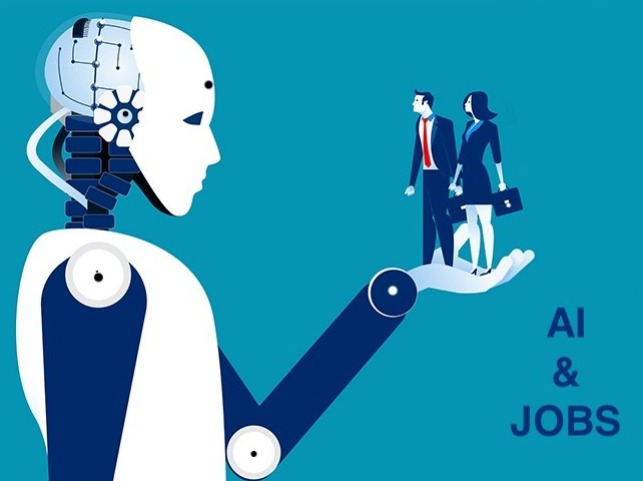
Artificial Intelligence (AI) is rapidly transforming the world of work, reshaping how employees are hired, monitored, and evaluated. From algorithmic recruitment platforms to predictive analytics in workforce management, AI promises efficiency, speed, and precision. Yet, this technological revolution also raises critical questions about fairness, privacy, and dignity in the workplace. By 2030, employment will be defined not only by digital innovation but also by how well institutions balance efficiency with constitutional and ethical safeguards.
At the constitutional level, Article 14 guarantees equality, ensuring that AI-driven hiring does not discriminate against candidates based on gender, caste, or socio-economic background. Article 19(1)(g) protects the right to practice any profession, mandating that AI systems do not unfairly restrict opportunities. Article 21 safeguards privacy and dignity, requiring that workplace surveillance and data collection respect personal boundaries. Together, these provisions anchor AI in employment within India’s constitutional morality.
Statutory frameworks reinforce these protections. The Factories Act, 1948 and Shops and Establishments Acts regulate working conditions, now impacted by AI monitoring. The Industrial Disputes Act, 1947 governs fairness in employment decisions, including algorithmic layoffs. The Digital Personal Data Protection Act, 2023 ensures secure handling of employee data, while the IT Act, 2000 provides cybersecurity safeguards and validates digital employment records. Judicial precedents such as PUDR, Olga Tellis, and Puttaswamy further strengthen worker rights in the digital age.
Globally, India’s trajectory mirrors broader trends. The EU’s GDPR and AI Act impose strict fairness rules, the US relies on EEOC guidelines, China enforces state-centric compliance, and the UK adopts pragmatic oversight. India’s evolving model sits at the intersection of these approaches, balancing innovation with worker rights.
By 2030, AI will be indispensable in employment. Its legitimacy, however, will rest on fairness, transparency, and respect for worker dignity — ensuring that algorithms serve not just efficiency, but humanity.
Legal and Constitutional Frameworks in India
Constitutional Provisions
Article 14 (Equality before Law): Ensures fairness in AI-driven hiring and promotions.
Article 19(1)(g): Protects the right to practice any profession, now extended to digital workplaces.
Article 21 (Right to Life and Dignity): Safeguards privacy in workplace monitoring.
Statutory Laws
Factories Act, 1948 & Shops and Establishments Acts: Regulate working conditions, now impacted by AI monitoring.
Industrial Disputes Act, 1947: Governs fairness in employment decisions, including algorithmic layoffs.
DPDP Act, 2023: Regulates employee data processed by AI systems.
IT Act, 2000: Provides cybersecurity and validates digital employment records.
Judicial Precedents
People’s Union for Democratic Rights v. Union of India (1982): Reinforced dignity in labour.
Puttaswamy Case (2017): Extended privacy protections to workplace surveillance.
Olga Tellis v. Bombay Municipal Corporation (1985): Linked livelihood to fundamental rights.
Comparative Global Perspectives
Sociological, Economic, and Ethical Impacts
Sociological: AI expands opportunities but risks bias in hiring.
Economic: Automation increases efficiency but may displace jobs.
Ethical: Transparency in algorithmic decisions is critical to worker dignity.
Case Studies
Indian Example: AI-driven recruitment platforms used by IT firms raised concerns about bias.
Global Example: Amazon faced criticism for an AI hiring tool that discriminated against women.
Human Story: A factory worker in Pune challenged algorithmic dismissal, highlighting fairness concerns.
Extended FAQ Handbook: AI in Employment
What constitutional rights apply to AI in employment? Equality under Article 14, dignity under Article 21, and livelihood under Article 19(1)(g) are central. These rights ensure that AI-driven hiring, monitoring, or layoffs do not discriminate or undermine worker dignity.
How does Article 14 ensure fairness in hiring? It prevents discriminatory algorithmic decisions. If AI tools favor certain demographics or exclude others, they risk violating constitutional guarantees of equal treatment.
How does Article 19(1)(g) protect workers? It guarantees freedom to practice any profession. AI systems must not unfairly restrict opportunities or deny access to employment.
How does Article 21 apply to workplace AI? It safeguards privacy and dignity, requiring that surveillance or monitoring tools respect personal boundaries and data protection.
What role do labour codes play? India’s labour codes regulate working conditions, wages, and fairness. AI must align with these protections, ensuring humane treatment in digital workplaces.
How does the DPDP Act apply to employment? It governs employee data use, mandating consent, accountability, and secure handling of sensitive workplace information.
How does the IT Act regulate workplace AI? It provides cybersecurity safeguards and validates digital employment records, ensuring trust in AI-driven HR systems.
What judicial precedents support worker rights? PUDR reinforced dignity in labour, Olga Tellis linked livelihood to fundamental rights, and Puttaswamy extended privacy protections to workplace surveillance.
How does GDPR affect AI hiring? It imposes fairness and consent rules, requiring transparency in how algorithms evaluate candidates.
What is the US approach to AI employment? The EEOC and AI hiring guidelines emphasize disclosure and anti-discrimination, ensuring fairness in recruitment.
How does China regulate AI in employment? State-centric compliance mandates strict oversight of workplace AI, aligning with national labor laws and data localization.
What is the UK’s model for AI employment? Pragmatic oversight under the Employment Rights Act and ICO guidance, focusing on case-by-case fairness.
How does AI affect worker trust? Transparent systems build confidence, while opaque algorithms erode trust, especially in hiring or performance reviews.
What are the economic benefits of AI employment? Efficiency in recruitment, reduced HR costs, and streamlined compliance processes.
How does AI reduce fraud in employment? By detecting anomalies in payroll, attendance, and credential verification, strengthening workplace integrity.
What ethical dilemmas arise in AI workplaces? Balancing efficiency with fairness, preventing bias, and ensuring dignity in algorithmic decisions.
How does AI affect liability in employment decisions? Employers remain accountable for AI outcomes, including wrongful terminations or biased hiring.
Who owns AI-generated employee data? Typically, the employee, though institutions manage aggregated datasets. Consent frameworks clarify boundaries.
How does AI affect rural employment? It expands opportunities through digital platforms but risks excluding those without digital literacy.
What role do trade unions play in AI employment? They advocate for fairness, transparency, and accountability in algorithmic workplace decisions.
How do small businesses adapt to AI? By adopting affordable HR tools and focusing on training to integrate AI ethically.
What global models can India learn from? EU’s strict compliance, US’s disclosure, and China’s oversight offer lessons for balancing innovation with rights.
How does AI affect employee confidentiality? Encryption and compliance with privacy laws are essential to protect sensitive workplace data.
What is “digital dignity” in employment? Fair and humane treatment in AI-driven workplace decisions, ensuring workers are not reduced to data points.
How does AI impact transparency in employment? It improves disclosures but raises accountability issues if algorithms remain opaque.
What are cybersecurity risks in employment? Data breaches, ransomware, and manipulation of HR systems threaten workplace security.
How does AI affect liability insurance for employers? Policies must expand to cover risks from AI errors, breaches, or biased decisions.
Can AI employment decisions be challenged in court? Yes, if bias, error, or privacy violations are proven, courts can demand transparency.
How does AI affect workforce training? Employees must learn digital literacy and ethics to adapt to AI-driven workplaces.
What is the role of regulators in AI employment? Setting standards, mandating disclosures, and ensuring compliance with labour and privacy laws.
How does AI affect whistleblower protections in workplaces? AI can detect anomalies but must safeguard whistleblower identities to prevent retaliation.
What are economic benefits of AI governance in employment? Efficiency, reduced fraud, and improved compliance outcomes.
How does AI affect international labor compliance? It automates treaty obligations, reporting, and global HR standards.
What ethical frameworks guide AI in employment? Transparency, accountability, fairness, and respect for worker dignity.
How does AI affect audit sampling in workplaces? Enables full-population analysis, improving accuracy in HR audits.
Can AI predict attrition risks? Yes, by analyzing performance, engagement, and behavioural data, enabling proactive retention strategies.
How does AI affect mergers in employment contexts? AI speeds due diligence, analyzing compliance records and workforce data.
What role does AI play in sustainability employment? It tracks ESG metrics, monitors workplace practices, and supports green initiatives.
How does AI affect cross-border labour reporting? It harmonizes standards and automates compliance globally, aiding multinational firms.
How does AI affect fiduciary duties of employers? Employers remain accountable despite AI assistance, ensuring ethical responsibility in workplace decisions.
Op-Ed Closing Vision: AI and the Future of Work
By 2030, workplaces will be profoundly reshaped by Artificial Intelligence (AI) systems that recruit, monitor, and evaluate employees. Algorithms will screen résumés, predict attrition risks, and even recommend promotions. Yet this transformation cannot be left to technology alone. It must remain anchored in constitutional morality, statutory safeguards, and ethical responsibility. Article 14 ensures fairness, Article 19(1)(g) protects the freedom to practice professions, and Article 21 safeguards dignity and privacy. These constitutional pillars must guide how AI integrates into employment.
Economically, AI promises efficiency. Recruitment platforms can process thousands of applications in seconds, performance analytics can identify productivity trends, and predictive models can reduce attrition. However, efficiency without fairness risks creating workplaces that are fast but unjust. The central challenge is ensuring that algorithms do not replicate or amplify human biases. A hiring tool that inadvertently discriminates against women or marginalized groups undermines both constitutional guarantees and organizational legitimacy.
Sociologically, transparency builds trust. Workers are more likely to accept AI-driven evaluations if they understand how decisions are made. Conversely, opaque systems erode confidence, creating suspicion and resentment. Bias in algorithms can deepen inequalities, excluding rural or digitally disadvantaged populations from opportunities. For AI to be legitimate, it must be explainable, auditable, and accountable.
Ethically, accountability for AI-driven employment decisions is non-negotiable. Employers cannot hide behind algorithms to justify unfair dismissals or biased promotions. Regulators must establish clear liability frameworks, mandate algorithmic audits, and ensure grievance redressal mechanisms. Workers must have the right to challenge AI decisions in courts or tribunals, reinforcing the principle that technology serves humanity, not the other way around.
Globally, India must learn from diverse models. The EU’s strict compliance under GDPR and the AI Act emphasizes fairness and consent. The US relies on disclosure-driven oversight through EEOC guidelines, while China enforces state-centric compliance with mandatory controls. The UK adopts pragmatic case-by-case oversight under employment rights frameworks. India’s path must be unique — balancing innovation with worker rights, ensuring that efficiency does not come at the cost of dignity.
The vision for 2030 is clear: workplaces that blend machine efficiency with human judgment, constitutional safeguards with technological innovation, and fairness with compassion. Employers of tomorrow will not merely hire with algorithms; they will uphold digital dignity and human care. AI should be a tool to empower workers, not to reduce them to data points. It should expand opportunities, not restrict them. It should enhance productivity, but never at the expense of fairness.
Ultimately, the success of AI in employment will depend on whether it strengthens the social contract between employers and employees. Technology must serve as an enabler of justice, transparency, and dignity. If India can anchor AI in constitutional morality while embracing innovation, it will create workplaces that are not only efficient but also humane. By 2030, the true measure of progress will not be how fast algorithms can process data, but how well they uphold fairness, protect dignity, and respect the rights of every worker.
Jurisdiction — Key Regulation — Approach
EU — GDPR + AI Act — Strict fairness in hiring algorithms.
US — EEOC + AI Hiring Guidelines — Disclosure-driven oversight.
China — Labor Laws + PIPL — State-centric compliance.
UK — Employment Rights Act + ICO Guidance — Pragmatic, case-by-case oversight.
India — DPDP Act + Labor Codes — Evolving, fragmented but proactive.