
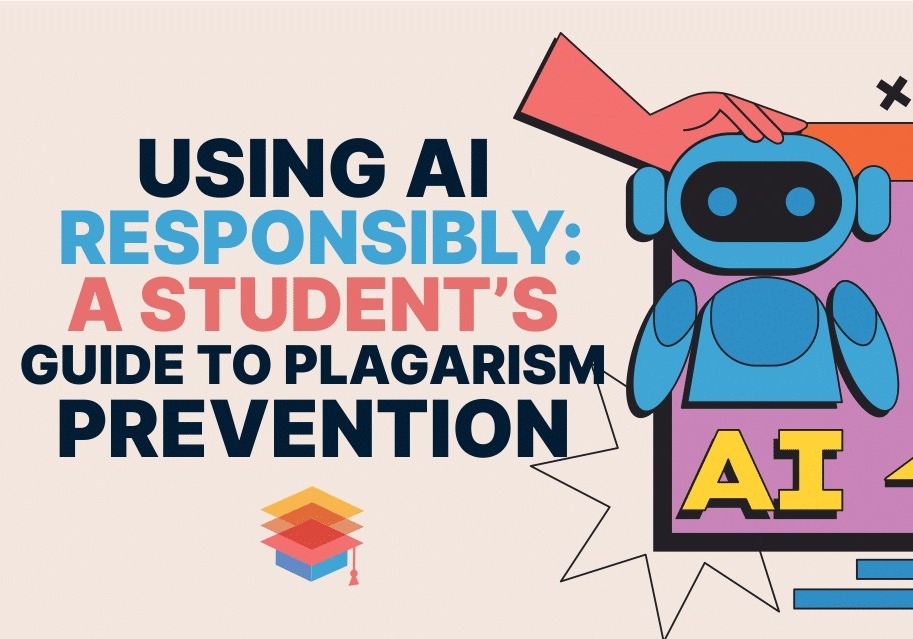
AI in Education: Plagiarism, Exams, and Copyright
When machines write essays, can law keep up?
India and the world confront academic integrity in the AI era
By Vishwas Kumar
New Delhi: June 19, 2026:
Artificial intelligence is reshaping education, from personalized tutoring systems to essay-writing tools that can generate entire assignments in seconds. These innovations promise efficiency, accessibility, and new opportunities for students and teachers alike. AI tutors can adapt lessons to individual learning styles, while automated grading systems reduce teacher workloads and provide faster feedback. For students with disabilities, AI offers translation, audio support, and adaptive technologies that make learning more inclusive.
Article 19 of the Constitution of India safeguards essential freedoms such as speech, expression, movement, association, and profession, making it a cornerstone of Indian democracy. To understand its legal importance, constitutional scope, and landmark judgments, read our detailed guide on Article 19 of the Constitution of India.
Yet alongside these benefits come profound concerns. Plagiarism is one of the most pressing issues, as students may submit AI-generated essays without disclosure, undermining academic honesty. Traditional plagiarism detection tools often struggle to identify AI-produced text, forcing universities to rethink their policies. Exam integrity is also at risk, with AI tools capable of generating real-time answers during online assessments. This challenges the validity of traditional testing methods and pushes educators to design new forms of evaluation that emphasize oral, practical, and problem-solving skills.
Another critical concern is copyright infringement. AI systems trained on vast datasets may reproduce or remix copyrighted material without proper attribution, raising legal disputes over ownership. Authors, publishers, and educators worry about the erosion of intellectual property rights in a world where machines can generate content instantly.
India, with its vast student population and rapidly growing edtech ecosystem, faces unique challenges. Unequal access to AI tools may widen educational gaps, while regulators must balance innovation with safeguards. As AI becomes embedded in classrooms and online platforms, the law must evolve to protect intellectual property, ensure fair assessment, and uphold the dignity of education. The future of learning will undoubtedly be digital, but it must remain grounded in integrity, creativity, and fairness.
The Promise of AI in Education
Artificial intelligence is opening new horizons in education, offering tools that can transform how students learn and how teachers teach. One of the most exciting applications is personalized learning. AI tutors can adapt lessons to each student’s pace, strengths, and weaknesses, providing customized feedback that helps learners grasp concepts more effectively. This individualized approach ensures that students who struggle receive extra support, while advanced learners are challenged appropriately, creating a more balanced classroom experience.
AI also enhances accessibility, making education more inclusive for students with disabilities. Tools that translate text into audio, simplify complex material, or provide real-time language translation break down barriers to learning. For example, visually impaired students can benefit from AI-powered screen readers, while those with hearing difficulties can access instant captioning. These innovations ensure that education is not only efficient but also equitable.
Another major advantage is efficiency. Automated grading systems and AI-driven feedback reduce the administrative burden on teachers, freeing them to focus on pedagogy and student engagement. By handling repetitive tasks, AI allows educators to dedicate more time to mentoring, creativity, and critical thinking exercises. This shift enhances the overall quality of teaching and learning.
Finally, AI supports skill development by simulating real-world scenarios. Whether through virtual labs, interactive case studies, or problem-solving exercises, students can practice applying knowledge in practical contexts. This experiential learning fosters critical thinking, creativity, and adaptability—skills essential for success in the modern workforce.
Together, these applications illustrate the immense promise of AI in education. By personalizing learning, expanding accessibility, improving efficiency, and enhancing skill development, AI has the potential to democratize education and prepare students for a rapidly evolving world.
The Perils of AI in Education
While artificial intelligence offers exciting opportunities in education, it also introduces serious risks that challenge the foundations of academic integrity. One of the most pressing concerns is plagiarism. Students can now submit AI-generated essays or assignments as their own, bypassing the effort of research and original thought. Traditional plagiarism detection tools often struggle to identify AI-produced text, making it harder for teachers to enforce honesty. This undermines the value of education, which is meant to cultivate creativity and critical thinking rather than reward shortcuts.
Another growing issue is exam cheating. AI tools can provide real-time answers during online assessments, making it difficult for institutions to ensure fairness. As exams increasingly move to digital platforms, the risk of students secretly using AI assistance rises. This forces educators to rethink assessment methods, shifting toward oral exams, project-based evaluations, and problem-solving tasks that are harder for AI to replicate.
Copyright issues also loom large. AI systems trained on massive datasets may reproduce or remix copyrighted material without attribution. For example, an AI essay generator might borrow passages from published works, raising disputes over intellectual property. Authors, publishers, and educators worry that widespread use of such tools could erode respect for creative ownership and diminish the incentive to produce original content.
Finally, equity concerns must be addressed. Access to advanced AI tools is uneven, with wealthier students more likely to benefit from premium platforms. This risks widening the gap between privileged and disadvantaged learners, undermining the principle of equal opportunity in education.
Together, these perils highlight the urgent need for clear policies, legal safeguards, and ethical guidelines. Without them, the very tools designed to enhance learning could weaken trust, fairness, and creativity in education.
Legal Foundations in India
University Regulations: Institutions enforce plagiarism policies, but AI complicates detection.
Copyright Act, 1957: Protects authors’ works, raising questions about ownership of AI-generated content.
Information Technology Act, 2000: Governs misuse of digital platforms, potentially applicable to AI cheating.
Consumer Protection Act, 2019: Could apply to edtech platforms misrepresenting AI capabilities.
Comparative Perspectives
United States: Universities adopt AI detection tools; copyright law debates ownership of AI-generated works.
European Union: GDPR governs student data use; EU AI Act imposes transparency obligations on edtech platforms.
China: Strict state oversight ensures AI education tools align with national standards.
UK: Universities emphasize academic integrity policies, with plagiarism detection software widely deployed.
India’s challenge is to balance innovation in edtech with strong safeguards against misuse.
Case Studies
ChatGPT in Exams (Global): Students used AI to answer exam questions, prompting universities to rethink assessment.
Indian Universities: Institutions introduced plagiarism detection software, but AI-generated text often evades detection.
Copyright Disputes: Authors and publishers raised concerns about AI reproducing their works without consent.
Extended FAQ Index (Education AI)
What is AI in education? AI refers to tools like chatbots, essay generators, and adaptive learning systems used in classrooms and online platforms.
How does AI help students? It provides personalized tutoring, simplifies complex topics, and offers instant feedback.
Can AI replace teachers? No, AI supports learning but cannot replace human mentorship, creativity, and judgment.
What is AI plagiarism? Submitting AI-generated essays or assignments as original work without disclosure.
How do universities detect AI plagiarism? Through plagiarism detection software and AI-specific tools that analyze writing patterns.
Is using AI for assignments illegal? Not inherently, but it may violate university policies on academic integrity.
Can students be penalized for AI use? Yes, if they submit AI-generated work without attribution or consent.
What is exam cheating with AI? Using AI tools to generate answers during online or offline exams.
How can exams be safeguarded? By redesigning assessments to emphasize oral, practical, and problem-solving skills.
Does copyright apply to AI-generated essays? Yes, if AI reproduces copyrighted material without attribution, it may infringe rights.
Who owns AI-generated content? Ownership is debated; some argue it belongs to the user, others to the developer.
What is the Indian Copyright Act’s role? It protects authors’ works, raising questions about AI reproducing or remixing content.
How does the IT Act apply? It governs misuse of digital platforms, potentially covering AI cheating or fraud.
Can edtech platforms be liable? Yes, if they misrepresent AI capabilities or fail to prevent misuse.
How does AI affect teacher workload? It reduces grading time but creates challenges in monitoring plagiarism.
Can AI improve accessibility? Yes, by helping students with disabilities through translation, audio, and adaptive tools.
What risks exist in AI tutoring? Over-reliance may reduce critical thinking and independent learning.
How does AI affect equity in education? Unequal access to AI tools may widen gaps between privileged and disadvantaged students.
Can AI reproduce copyrighted textbooks? Yes, raising legal disputes if done without permission.
How do US universities handle AI plagiarism? They adopt AI detection tools and update academic integrity policies.
What is the EU’s approach? The EU AI Act mandates transparency in edtech platforms, while GDPR protects student data.
How does China regulate AI in education? Strict oversight ensures AI tools align with national standards and values.
What about the UK? Universities emphasize plagiarism detection and academic honesty policies.
Can students disclose AI use? Yes, disclosure policies may allow AI assistance if acknowledged.
What is informed consent in AI education? Students must know when AI is used in teaching or assessment.
Can AI essays be original? They may appear original but often remix existing content, raising copyright concerns.
What remedies exist for plagiarism? Penalties include grade reduction, suspension, or expulsion.
Can AI improve exam fairness? Yes, if used to design adaptive assessments tailored to student ability.
What ethical issues arise? Concerns include honesty, fairness, and the erosion of creativity.
Can AI reduce teacher bias? Potentially, by standardizing grading, though algorithmic bias remains a risk.
How does AI affect creativity? It may stifle originality if students rely on it excessively.
Can AI be used responsibly in assignments? Yes, if disclosed and used for support rather than substitution.
What reforms are needed in India? A National AI in Education Policy defining plagiarism standards, copyright rules, and exam safeguards.
How do courts measure harm in AI plagiarism cases? By assessing reputational damage, copyright infringement, and breach of academic trust.
Can AI essays be cited? Yes, but citation practices must evolve to acknowledge AI contributions.
What role does ethics play in AI education? Ethics ensures integrity, fairness, and respect for intellectual property.
Can AI help teachers design exams? Yes, by generating diverse questions and adaptive assessments.
What is the risk of over-reliance on AI in exams? Students may lose problem-solving skills and critical thinking ability.
What safeguards should universities adopt? AI detection tools, disclosure policies, and redesigned assessments.
What is the future of AI in education law? Comprehensive regulation balancing innovation with academic integrity and copyright protection.
Op-Ed Closing Vision
AI in education is both a gift and a challenge. It democratizes access to knowledge, supports personalized learning, and reduces teacher workload. Yet it also threatens the foundations of academic integrity. If students rely on AI to write essays or cheat in exams, the very purpose of education—developing critical thinking and creativity—is undermined.
The central question is ownership and accountability. Who owns AI-generated essays—the student, the AI company, or no one at all? How should universities detect and penalize AI-assisted plagiarism? And how can exams be redesigned to test skills that AI cannot replicate?
India must act decisively. A National AI in Education Policy could establish clear standards:
Mandating disclosure when AI tools are used in assignments.
Redesigning exams to emphasize oral, practical, and problem-solving skills.
Clarifying copyright ownership of AI-generated educational content.
Ensuring equitable access to AI tools across socio-economic groups.
Globally, India can learn from the EU’s transparency requirements and the US universities’ adoption of AI detection tools. But it must also craft solutions tailored to its vast and diverse student population.
Ethically, education is about trust. Teachers must trust students to submit honest work, and students must trust institutions to assess them fairly. If AI undermines that trust, the entire educational system suffers.
The vision must be one of responsible AI in education. Technology should empower students, not replace them. It should support teachers, not erode their authority. And it should uphold the constitutional promise of dignity and equality in learning.
The future of education will be digital, but it must also remain human. India’s legal system now faces the challenge of ensuring that as algorithms enter classrooms, academic integrity and intellectual creativity remain paramount.