
AI Deepfakes and Personality Rights: India’s Legal Crossroads
Bombay High Court ruling sets precedent for digital dignity
Global lessons on identity protection in the AI era
By Vishwas Kumar
New Delhi: June 19, 2026:
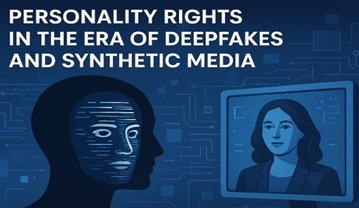
Artificial intelligence has unleashed a new frontier of creativity and disruption. Among its most controversial outputs are deepfakes—AI-generated videos, images, and voices that mimic real individuals with uncanny precision. While these tools can entertain, they also pose grave risks to reputation, privacy, and democracy. In India, the Bombay High Court’s ruling in favor of actress Preity Zinta marks a watershed moment, recognizing that celebrities can sue platforms for hosting AI-generated content that infringes their personality rights.
The Right to Life and Personal Liberty is one of the most important fundamental rights guaranteed under the Indian Constitution, protecting dignity, liberty, and human rights. To understand its legal scope, landmark interpretations, and judicial evolution, read our detailed article on Article 21 of the Constitution of India.
This case is not just about one actress—it is about the ownership of identity in the digital age. The ruling raises profound questions about constitutional protections, copyright law, and global jurisdiction. It signals that Indian courts are willing to confront the challenges posed by artificial intelligence head-on, even when the technology transcends borders and platforms operate globally.
Deepfakes are particularly dangerous because they erode trust. A manipulated video can spread rapidly, damaging reputations before truth can catch up. For celebrities, whose careers depend on public image, unauthorized manipulation is not just theft—it is existential harm. But the issue extends beyond stardom. Ordinary citizens, too, face risks of impersonation, fraud, and reputational damage. The Zinta ruling therefore has implications for everyone navigating the digital age.
Legally, the case builds on precedents set by Amitabh Bachchan, Anil Kapoor, and Jackie Shroff, who secured injunctions against unauthorized use of their voices, catchphrases, and images. Together, these cases establish a growing judicial recognition of personality rights in India, rooted in Article 21 of the Constitution, which guarantees dignity and privacy. The court’s reliance on Clause XII of the Letters Patent to establish jurisdiction highlights how Indian law adapts to the borderless nature of online harm.
Globally, the ruling resonates with similar developments. In the United States, the “right of publicity” allows individuals to control commercial use of their likeness, and states like California and Texas have enacted deepfake laws. The European Union’s GDPR and AI Act (2024) impose strict obligations on transparency and consent. China mandates labeling of deepfakes and platform liability, while the UK relies on defamation and data protection laws. India’s approach, emphasizing dignity and reputational harm, aligns closely with US and EU models while carving its own constitutional path.
Ultimately, the Preity Zinta case is a constitutional moment for India’s digital jurisprudence. It affirms that identity is inviolable, dignity is paramount, and AI cannot be allowed to trample human rights. By recognizing personality rights in the context of AI deepfakes, the Bombay High Court has set the stage for broader reforms, including the need for a comprehensive AI regulation act. This case is not just about protecting celebrities—it is about safeguarding democracy, culture, and the very fabric of human dignity in the digital age.
The Preity Zinta Case
Preity Zinta alleged that Google, Meta, and other platforms hosted AI-generated deepfake videos and memes using her likeness without consent. Justice Abhay Ahuja granted her leave under Clause XII of the Bombay High Court Letters Patent, affirming that reputational harm in Mumbai sufficed for jurisdiction even though the platforms operate globally.
This ruling builds on earlier injunctions secured by Amitabh Bachchan, Anil Kapoor, and Jackie Shroff, who fought unauthorized use of their voices, catchphrases, and images. Together, these cases establish a judicial recognition of personality rights as part of India’s constitutional fabric.
Legal Foundations
Article 21 of the Constitution: Protects dignity and privacy, forming the basis for personality rights.
Copyright Act, 1957 (Section 57): Safeguards moral rights, including protection against distortion of works.
Defamation Law: Provides remedies for reputational harm caused by false or misleading content.
Clause XII of Letters Patent: Allows jurisdiction when harm occurs locally, even if content is global.
Comparative Perspectives (Expanded)
In the United States, the “right of publicity” is recognized in many states, notably California. Celebrities can sue for unauthorized commercial use of likeness, and states like Texas and California have enacted deepfake laws targeting non-consensual AI content.
The European Union relies on GDPR, which treats biometric identifiers as sensitive data requiring consent. The EU AI Act (2024) adds obligations for transparency and labelling of AI-generated content, making Europe a leader in regulating AI’s impact on identity.
China’s Cyberspace Administration mandates labelling of deepfakes and imposes liability on platforms hosting manipulated content, reflecting a strong state-driven model prioritizing control and rapid takedown.
The United Kingdom lacks a standalone personality rights doctrine, but defamation and data protection laws provide indirect remedies.
India’s ruling aligns more closely with US and EU approaches, emphasizing individual dignity and reputational harm while carving its own constitutional path.
Case Studies
Amitabh Bachchan: Injunction against unauthorized voice imitation in AI ads.
Anil Kapoor: Protected his “jhakaas” persona from AI memes.
Jackie Shroff: Prevented misuse of his image in gaming avatars.
Scarlett Johansson (US): Sued OpenAI for allegedly mimicking her voice in a chatbot.
These cases humanize the issue: celebrities are not just public figures but individuals whose identity is their livelihood.
Extended FAQ Index (Searchable)
What are personality rights in India? They protect an individual’s identity—name, image, voice, likeness—from unauthorized commercial or reputational misuse, rooted in privacy and dignity under Article 21.
How do personality rights differ from copyright? Copyright protects creative works, while personality rights safeguard a person’s identity and reputation from exploitation.
What constitutional provisions protect celebrity identity? Article 21 (right to life and personal liberty) and Article 19(1)(a) (freedom of speech) indirectly safeguard identity and dignity.
What is Clause XII of the Bombay High Court Letters Patent? It allows the High Court to hear cases where part of the cause of action arises outside its territorial jurisdiction, subject to leave.
Why did Preity Zinta need special leave to sue? Because the infringing AI content was disseminated globally, she needed leave under Clause XII to establish jurisdiction in Mumbai.
What are moral rights under the Copyright Act, 1957? They include the right of attribution and the right to protect the integrity of one’s work from distortion or misuse.
How do AI deepfakes infringe personality rights? By creating false or manipulated representations that damage reputation, mislead audiences, or exploit identity without consent.
Can non-celebrities sue for AI misuse of their identity? Yes, personality rights extend to all individuals, though celebrities often litigate due to commercial value of their identity.
What remedies can courts grant in such cases? Courts may issue injunctions, award damages, and order takedowns of infringing content.
What is an injunction suit? It is a legal order restraining a party from continuing harmful or unlawful actions.
How does jurisdiction work in online content disputes? Jurisdiction is based on where harm occurs, even if content is hosted or created abroad.
What precedent did Amitabh Bachchan set? He secured injunctions against unauthorized use of his voice and likeness, strengthening personality rights.
How did Anil Kapoor’s case strengthen personality rights? It prevented misuse of his persona in AI memes, reinforcing judicial recognition of identity protection.
What role did Jackie Shroff’s case play? It extended protection to gaming avatars and digital impersonations, broadening scope of personality rights.
How does Article 21 of the Constitution apply here? It ensures dignity and privacy, forming the constitutional basis for personality rights.
What is the right to publicity? It is the right to control commercial use of one’s identity and prevent unauthorized exploitation.
How does defamation law intersect with AI deepfakes? Deepfakes can spread false information, leading to reputational harm actionable under defamation law.
Can damages be claimed for reputational harm? Yes, courts can award compensatory damages for loss of goodwill and emotional distress.
How do Indian courts measure goodwill? By assessing reputation, public recognition, and commercial value associated with a person’s identity.
What is the EU AI Act? A 2024 regulation imposing transparency, accountability, and labeling requirements on AI systems.
How does GDPR protect identity? It safeguards personal data, including biometric identifiers, and requires consent for processing.
What are US publicity rights? State-level laws allowing individuals to control commercial use of their likeness and identity.
Which US states have deepfake laws? Texas and California have enacted laws targeting non-consensual deepfake content, especially in elections and adult material.
How does China regulate deepfakes? It mandates labelling of manipulated content and imposes liability on platforms hosting deepfakes.
What remedies exist in the UK? Defamation, privacy, and data protection laws provide indirect remedies against misuse of identity.
Can platforms be held liable for hosting deepfakes? Yes, if they fail to remove harmful content after notice or lack adequate safeguards.
What defences can platforms raise? They may argue safe-harbour protections, lack of knowledge, or fair use exceptions.
How does Section 57 of the Copyright Act apply? It protects authors against distortion of their works, relevant when AI manipulates creative content.
What is the difference between moral rights and economic rights? Moral rights protect integrity and attribution, while economic rights concern financial exploitation of works.
Can AI companies be sued directly? Yes, if they knowingly create or distribute infringing deepfake content.
How does global dissemination affect jurisdiction? Courts focus on local harm, even if content originates abroad, to establish jurisdiction.
What is reputational harm in legal terms? It is damage to public perception, goodwill, and professional standing caused by false or unauthorized content.
How do courts balance free speech with personality rights? By weighing public interest and artistic freedom against individual dignity and privacy.
Can parody be a defence in deepfake cases? Yes, if clearly satirical and not misleading, parody may be protected under free speech.
What role does consent play in AI content? Consent is crucial; without it, use of identity in AI content is unlawful.
How does Indian law compare with US law? India grounds personality rights in dignity, while US law emphasizes commercial exploitation.
How does Indian law compare with EU law? EU law focuses on data protection, while India emphasizes constitutional dignity and privacy.
What remedies are available under tort law? Damages for defamation, emotional distress, and injunctions against harmful conduct.
Can Preity Zinta claim damages for emotional distress? Yes, courts may award compensation for mental anguish caused by deepfakes.
What future reforms are needed in India? A comprehensive AI regulation act defining personality rights, platform liability, and labelling obligations.
Op-Ed Closing Vision
The Preity Zinta case is emblematic of a larger struggle: how societies protect identity in the age of AI. Deepfakes blur the line between truth and fabrication, threatening reputations, careers, and even democratic processes.
By grounding personality rights in Article 21’s guarantee of dignity, Indian courts have taken a bold step. This approach ensures protections extend beyond celebrities to ordinary citizens, who may face impersonation, fraud, or harassment through AI misuse.
Yet challenges remain. Jurisdiction in cyberspace is complex, and enforcement requires swift injunctions and meaningful damages. Platforms must be held accountable, but liability frameworks must balance innovation with responsibility. The EU’s Digital Services Act offers a model, mandating transparency and rapid removal of harmful content.
India now faces a legislative imperative: a Comprehensive AI Regulation Act. Such a law should define personality rights in the digital age, mandate labelling of AI-generated content, establish liability frameworks, and provide remedies for both celebrities and ordinary citizens.
The cultural dimension is equally important. Bollywood is not just entertainment—it is identity and national pride. Protecting celebrity rights is protecting cultural heritage. But safeguarding ordinary citizens from AI misuse is protecting democracy itself.
Ultimately, technology is neutral; its misuse is a human choice. Law can regulate, but society must cultivate digital ethics. Education, awareness, and responsible innovation are as vital as injunctions and damages.
The Bombay High Court’s ruling is a watershed moment. It affirms that identity is inviolable, dignity is paramount, and AI cannot trample human rights. Preity Zinta’s courage sets a precedent not just for celebrities but for every citizen navigating the digital age.
The future of law is digital. The future of dignity is human. And the Preity Zinta case reminds us that in the clash between AI and identity, humanity must prevail.